Chess King SVG: A Designer’s Real-World Embroidery Review
First Impression: Bold, Clean, and Instantly Recognizable
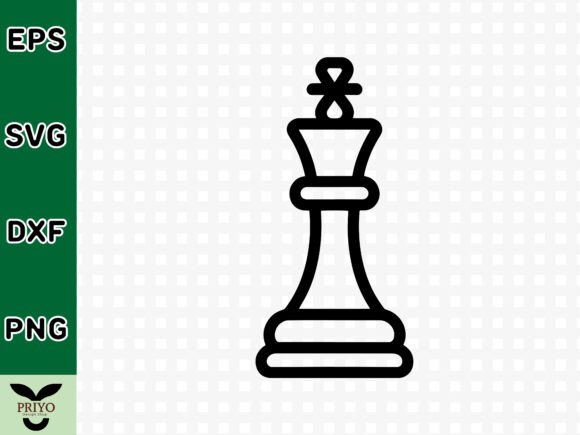
Opening the Chess King SVG for the first time, I felt that quiet thrill every designer knows—the moment a graphic lands with clarity and intention. This isn’t a cluttered, over-rendered king; it’s a strong silhouette with confident line weight, balanced proportions, and subtle crown detailing that reads at a glance. It carries regal energy without stiffness—elegant but approachable. As an embroidery designer, I immediately saw its potential on a heavyweight cotton tote bag for a local board game café: clean, thematic, and built to hold up in daily use.
Where It Shines: Practical Embroidery Use Cases
The Chess King SVG translates beautifully into real stitched work—especially when treated as a standalone focal point. I tested it on a midweight sweatshirt using standard tear-away stabilizer and medium-density fill stitch. The crown’s curves held shape, the base remained stable, and the overall stitch-out looked sharp even at 3.5 inches wide. It worked equally well as a centered chest embroidery on a unisex crewneck and as a single-stitch patch sewn onto a denim apron for a boutique kitchen supply shop.
For Etsy sellers and craft business owners, this design fits seamlessly into curated collections: baby onesies (paired with soft pastel thread), holiday gift sets (embroidered on linen pillow covers), or personalized graduation gifts (stitched on wool-blend caps). Its symmetry and strong negative space make it forgiving on slightly uneven fabric tension—and because it avoids fine interior linework or micro-details, it avoids common pitfalls in commercial embroidery like skipped stitches or thread nesting.
Why It Works for Small Business Merchandise
- Brand consistency: The Chess King SVG reads clearly across product types—from a minimalist black-on-cream tea towel to a vibrant embroidered patch on a canvas backpack.
- Customer trust: Buyers recognize craftsmanship when stitching is clean and intentional. This design delivers that impression without demanding ultra-premium thread or specialty hooping.
- Giftability: It feels special without being fussy—ideal for wedding favors (think monogrammed king + couple’s initials), anniversary gifts, or “just because” presents for chess lovers.
Where to Proceed Thoughtfully
This isn’t a one-size-fits-all embroidery file—and that’s a good thing. Its strength lies in intentionality, not universality. Use caution on:
- Stretchy fabrics: While it holds up well on stable knits, avoid placing it directly over shoulder seams or curved areas of t-shirts without additional cut-away stabilizer and careful digitizing adjustments.
- Dark or textured backgrounds: On heavy terry cloth towels or fuzzy fleece, the outer edge definition can soften. Test with a tighter satin stitch border or slight outline reinforcement.
- Small hoop sizes under 4 inches: The crown’s topmost points and base width require breathing room. Don’t force it into a 3-inch hoop unless you’re willing to scale down and simplify details manually.
- Frequent-wash items like baby clothes: Ensure your stitch density is optimized—not too sparse (risking fraying) and not so dense it creates stiff, uncomfortable fabric. Running stitch outlines help anchor the shape during laundering.
Design Judgment: Beyond Aesthetics
What makes the Chess King SVG stand out among Crafts and Graphics isn’t just how it looks—it’s how it behaves. As a machine embroidery design, it avoids excessive jump stitches and maintains logical stitch direction. That means fewer trims, smoother transitions, and less chance of thread breaks mid-run—critical when you’re running batches for a craft fair or fulfilling Etsy orders.
I also appreciate how well it adapts to different interpretations: a crisp black-on-white applique design for modern nursery decor, or softened with variegated thread for a handcrafted, artisanal vibe on a linen market bag. Its versatility supports both personal projects and scalable small shop production—without asking you to over-engineer the setup.
Practical Designer Notes Before You Stitch
- Always test the Chess King SVG on scrap fabric matching your final project’s weight and stretch.
- Check thread color contrast—especially on dark fabric. A matte black thread reads differently than metallic or high-sheen polyester.
- Review stitch density in your embroidery software. If it feels overly dense for lightweight cotton, reduce fill percentage by 5–10%.
- Confirm hoop size compatibility before digitizing adjustments—some versions may include multiple sizes, others may need manual scaling.
- Inspect corners and inner angles in your preview mode. Even simple shapes can hide tricky stitch convergence points.
- Test black-and-white mockups. Does the shape retain legibility without color cues? It should.
- Use appropriate stabilizer: cut-away for knits, tear-away for stable wovens, and fusible for lightweight linens.
- If selling finished products or digital embroidery files commercially, verify licensing terms directly with the seller—this description mentions versatility but doesn’t specify usage rights.
Final Thought: A Thoughtful Tool, Not Just a Trend
The Chess King SVG isn’t flashy—but it’s reliable, expressive, and quietly sophisticated. In my studio, it’s become a go-to for custom apparel clients who want meaning without clutter, and for craft business owners building cohesive, recognizable product lines. It works because it respects the process: the fabric, the machine, the maker, and the person receiving the finished product. Whether you’re stitching a single personalized gift or prepping fifty embroidered patches for a pop-up shop, this design earns its place in your embroidery project toolkit—not as filler, but as foundation.