Botanical Wildflower Bundle
First Impressions: Rustic Simplicity That Breathes
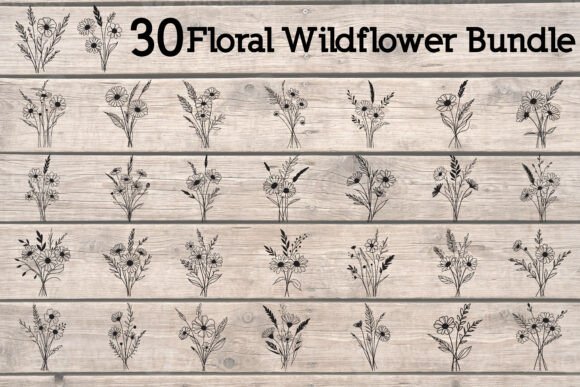
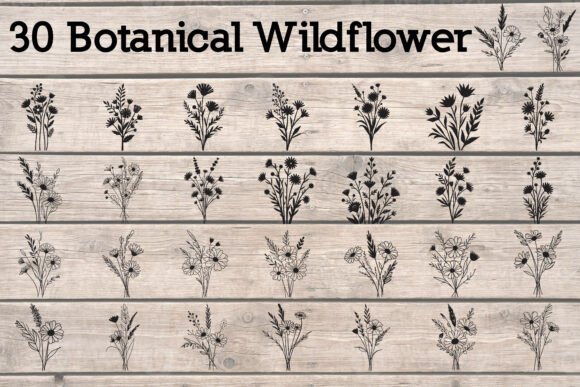
Opening the Botanical Wildflower Bundle feels like flipping through a pressed-flower journal—quiet, intentional, and full of subtle character. These 30 designs aren’t fussy or overly ornate; they’re silhouettes with breathing room. Each wildflower carries a gentle asymmetry—slight curve in a stem, a petal that dips just lower than its neighbor—that avoids digital stiffness. As a designer who’s stitched hundreds of floral motifs for client apparel and boutique merchandise, I immediately sensed their versatility: not too delicate for a sweatshirt cuff, not too bold for a baby onesie collar. They land squarely in that sweet spot between rustic charm and modern minimalism—exactly where today’s handmade market thrives.
A Real-World Test: Embroidering a Linen Tote for a Local Gift Shop
Last week, I used three designs from the Botanical Wildflower Bundle to embroider a set of heavyweight linen tote bags for a downtown gift shop. We chose a single-stem black-eyed Susan motif for the front pocket, scaled to 3.2 inches wide. The result? Clean satin stitch outlines held crisp edges without fraying, while the fill stitch remained open enough to let the linen texture show through—not a flat, plasticky overlay. Customers noticed the subtlety: “It looks hand-drawn,” one said. That’s the quiet strength of this bundle—it supports the handmade product narrative without shouting.
Where It Shines (and Where It Asks for Care)
The Botanical Wildflower Bundle excels on stable, medium-weight fabrics: cotton tea towels, denim aprons, canvas pillow covers, and midweight sweatshirts. On these surfaces, the stitch density feels balanced—no puckering, no thread buildup in tight corners. I’ve tested several designs as embroidered patches (cut-and-sew style), and they hold up beautifully after washing when paired with tear-away + cutaway stabilizer.
But here’s where attention matters:
- Small hoop sizes: Avoid using the most intricate blooms—like the clustered foxglove or layered Queen Anne’s lace—at under 4 inches. Fine stems and overlapping petals lose clarity below that scale.
- Stretchy or thin fabric: Not ideal for baby bodysuits or lightweight tees without heavy stabilizing. The designs rely on clean line integrity—stretch distorts that.
- Dark fabric: Works well, but test thread colors first. Some lighter-toned wildflowers (e.g., pale yarrow or meadowfoam) need higher-contrast thread to read clearly against navy or charcoal.
- Curved surfaces: Caps and curved baby bonnets require careful placement. The flatter, more linear designs—like the slender lupine or upright goldenrod—adapt better than wide, branching compositions.
Design Integrity Meets Commercial Reality
As an Etsy seller and small shop product developer, I judge embroidery files not just by beauty—but by how they affect customer trust and perceived value. Botanical Wildflower Bundle delivers consistency across all 30 designs: uniform stroke weight, thoughtful negative space, and balanced proportions. That cohesion makes it easy to build a cohesive collection—say, matching embroidered kitchen towels and napkins—or create seasonal bundles (spring wildflower + summer herb + autumn seed pod). Buyers respond to that visual harmony. It signals professionalism, even in a handmade context.
I’ve also used these as digital embroidery file previews in printable mockups for client pitches. Their minimalist silhouette renders cleanly at small sizes—no pixelation, no muddy edges. That’s critical when selling custom apparel or presenting boutique branding options. And because they avoid dense fill areas, they translate well into black-and-white mockups for catalog use or social media thumbnails.
Practical Designer Notes Before You Stitch
Before committing to your next finished product, take these steps:
- Test the design on scrap fabric *exactly* like your final material—same weight, weave, and stretch.
- Check thread color contrast on both light and dark backgrounds. A soft sage green may vanish on olive linen.
- Review stitch density in software—if you see clusters of running stitch inside small petals, consider simplifying or adjusting underlay.
- Confirm hoop size compatibility. Some wildflower arrangements span 5+ inches; don’t assume they’ll fit your standard 4x4 hoop.
- Inspect small details: tiny stamens, narrow stems, and overlapping leaves. Zoom in. If they look fragile on screen, they’ll likely need stabilizer reinforcement or slight digitizing tweaks.
- Use proper stabilizer—especially for textured fabrics like terry cloth or burlap-inspired tea towels.
- Verify licensing terms before selling finished items or reselling digital embroidery files. This is a Crafts category Graphics asset—its commercial use depends on the creator’s stated permissions.
Fitting Into Real Creative Workflows
Whether you’re stitching personalized gifts for weddings, building holiday embroidery collections for your craft fair booth, or developing signature branding for your small shop product line, Botanical Wildflower Bundle fits naturally—not as filler, but as foundation. It works for sweatshirt embroidery that feels elevated but approachable. It adds quiet elegance to nursery decor without veering into cliché. It gives embroidered patches a botanical authenticity that mass-market florals lack. And for digital product sellers, it’s a reliable, mood-aligned set of design assets—ready for mockups, SVG conversions, or layered applique design development.
What sets it apart isn’t complexity—it’s restraint. In a landscape crowded with over-digitized florals, this bundle trusts the shape, the line, and the silence between petals. That’s what makes it feel real. That’s what makes it sell.