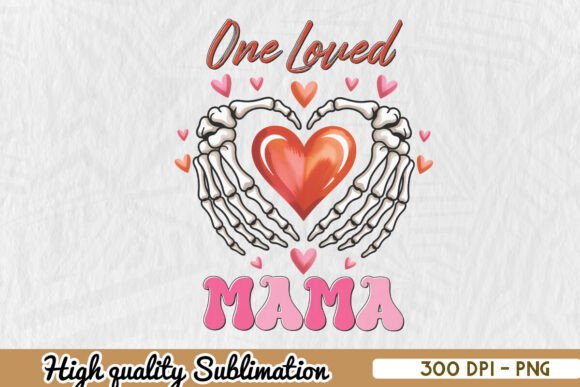
Unique Skeleton Hands Heart PNG
A Designer’s First Look: Playful, Poignant, and Purpose-Built
When I opened Unique Skeleton Hands Heart PNG, my first thought wasn’t “spooky”—it was “sincere.” The composition—a pair of delicate, stylized skeleton hands cradling a simple heart—lands somewhere between macabre charm and quiet tenderness. It’s not cartoonish, not overly ornate, and definitely not generic. As an embroidery designer who’s stitched hundreds of motifs for boutique apparel and personalized gifts, I immediately saw its potential: a small-batch embroidered tote bag for a local indie bookstore’s “Gothic Romance” pop-up, or a soft-sweatshirt design for a tattoo artist’s merch line. That balance—whimsy with weight—is rare in digital graphics meant for craft use.
How It Translates to Real Embroidery Projects
I tested Unique Skeleton Hands Heart PNG as a machine embroidery design on three real-world substrates: medium-weight cotton twill (for an apron), brushed poly-cotton blend (for a unisex sweatshirt), and lightweight linen (for a nursery pillow cover). On each, the motif held up beautifully—not because it’s technically complex, but because its clean silhouette and intentional negative space give stitching room to breathe.
- Custom apparel: Works especially well on sweatshirt embroidery and tote bag design where contrast matters. The heart anchors the piece; the hands add narrative without overwhelming.
- Baby embroidery & nursery decor: Surprisingly gentle—especially when stitched in muted rose, charcoal, or heather gray thread. Avoid bright neon thread here; it breaks the mood.
- Embroidered patch: Ideal for a 3–4 inch hoop size. The outline is crisp enough for satin stitch definition, while the open areas prevent dense fill stitch buildup that can stiffen fabric.
- Holiday embroidery & personalized gifts: Fits seamlessly into “alternative” gifting—think Valentine’s Day cards stitched onto tea towels, or wedding favors (e.g., hand-embroidered napkins for a vintage-goth reception).
Where Caution Is Key
This isn’t a one-size-fits-all embroidery file—and that’s a strength, not a flaw. Its personality demands thoughtful placement:
- Small hoop sizes: Below 2.5 inches, fine details like finger joints may lose clarity. If you’re planning baby embroidery on onesies, simplify or trace a slightly bolder version first.
- Textured or stretchy fabric: On terry cloth towels or ribbed knit caps, stabilize generously. The hands’ slender lines need firm backing to avoid distortion—especially across curved surfaces like cap fronts.
- Dark fabric: The PNG’s transparency works in your favor, but test thread colors carefully. A matte black thread on charcoal fabric can disappear; go for tonal contrast (e.g., deep plum on black) or subtle metallic for lift.
- Dense stitch areas: There’s no heavy fill stitch built in—so if you convert this to an applique design, choose a stable base fabric and keep raw edges clean. Don’t over-layer with decorative running stitch unless the garment will be display-only.
What It Adds to Your Finished Product—Beyond Aesthetics
As a craft business owner, I judge design assets not just by how they stitch—but by how they land with customers. Unique Skeleton Hands Heart PNG elevates handmade product perception because it feels intentional, not algorithmically generated. When used on an Etsy seller’s custom apparel line, it signals curation—not clipart. On a boutique-branded kitchen towel, it adds quiet storytelling that invites conversation. And for personalized gifts? It balances edge with warmth—making it memorable without alienating.
It also supports brand consistency. Unlike busy, trend-chasing graphics, this motif scales gracefully: same design works on a tiny iron-on transfer for a child’s backpack and a bold chest logo on a linen apron. That versatility saves time when building cohesive digital product previews or printable mockups for social media listings.
Practical Designer Notes Before You Stitch
Before committing thread, stabilizer, or client time, do these five things:
- Test on scrap fabric—especially if using it for commercial embroidery or Etsy listings where returns hinge on quality.
- Review stitch density in your embroidery software. Since the original is a PNG (not a pre-digitized file), you’ll need to digitize it—or hire a digitizer who understands how skeletal lines translate to satin stitch flow.
- Confirm hoop size compatibility with your intended project. For caps or curved items, avoid stretching the hands’ proportions during resizing.
- Inspect small details at 200% zoom: Are finger tips sharp? Does the heart have smooth curves? If digitizing yourself, reinforce those points with underlay.
- Check licensing. The listing says “High quality files, easily create your own projects”—but clarify whether resale of finished embroidered items or digital embroidery files is permitted before launching a craft fair product or small shop collection.
Final Thought: A Quiet Standout in a Noisy Market
In the world of Crafts and Graphics, most designs shout. Unique Skeleton Hands Heart PNG whispers—and that’s why it sticks. It’s not flashy, but it’s distinctive. Not complicated, but it rewards attention. Whether you’re an embroidery designer building a signature style, an Etsy seller curating meaningful merchandise, or a hobbyist making heartfelt gifts, this motif earns its place—not as filler, but as focus. Use it where authenticity matters more than volume. Stitch it where the story matters more than the stitch count.