This Is Us: Our Life, Our Story, Our Home
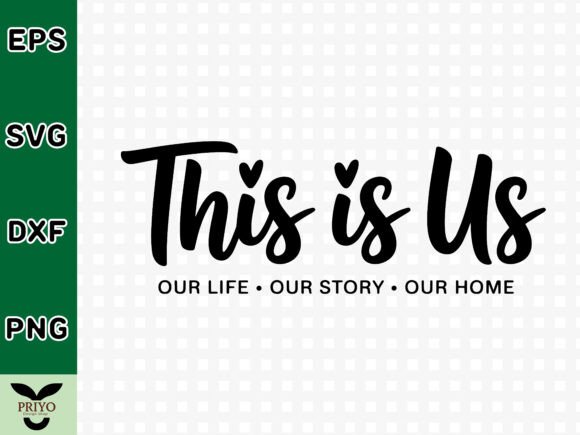
As a designer who’s stitched hundreds of custom pieces—from boutique aprons to nursery wall hangings—I opened This is Us Our Life Our Story Our Home expecting warmth. What I found was more nuanced: a gentle, centered phrase that leans into emotional resonance over visual drama. It’s not flashy. It doesn’t shout. But it holds space—quietly, intentionally—for what people actually want to say on a handmade pillow cover, a baby onesie, or a kitchen towel gifted at a housewarming.
First Impressions: A Design That Breathes
The layout feels balanced—not symmetrical, but thoughtfully weighted. Each phrase (“Our Life,” “Our Story,” “Our Home”) rests on its own line, with soft spacing and modest leading. There’s no ornate script or aggressive serif; instead, it uses a clean, slightly rounded sans-serif that reads clearly at 3–4 inches tall—the sweet spot for sweatshirt embroidery or tote bag fronts. No decorative flourishes distract from the message, which is exactly right for this kind of sentiment-driven design. It’s not an applique design begging for fabric layers or satin-stitch borders. It’s honest. It’s legible. And that makes it unusually versatile across Crafts and Graphics applications.
Real-World Stitching: Where This Is Us Shines (and Where It Needs Care)
Last week, I prepped This is Us Our Life Our Story Our Home for a client’s small-batch run of linen tea towels. We chose medium-weight cotton-linen blend, tear-away stabilizer, and matte cotton thread in charcoal gray. The result? Crisp, grounded, and quietly confident—no bleeding, no puckering, no lost letterforms. That’s where this machine embroidery design excels: on stable, medium-to-heavy fabrics with flat surfaces. Think aprons, pillow covers, canvas totes, and structured sweatshirts.
But here’s what I watched closely—and what you should too:
- Small hoop sizes (under 4”): The full phrase stretches comfortably in a 5×7 hoop, but trimming it down risks losing rhythm. “Our Home” alone works beautifully in a 3×3—but cutting mid-sentence (“Our Life Our…”) breaks the emotional flow. Don’t force it.
- Textured or stretchy fabric: On ribbed knit baby onesies or slouchy jersey tees, the even spacing can blur if stitch density isn’t adjusted. Test first—and consider simplifying to just “This Is Us” if drape matters more than completeness.
- Dark or dense backgrounds: It reads well on navy, charcoal, and oat, but avoid black-on-black thread unless you’re using a subtle variegated thread or adding a light underlay. Contrast is part of its quiet strength.
- Curved surfaces (caps, curved patches): The straight-line structure doesn’t wrap naturally. For caps, use only “This Is Us” as a front panel anchor—and skip the rest unless you’re digitizing a custom arc version yourself.
What It Adds to Your Finished Product—Beyond Stitching
This isn’t just about whether the letters hold shape. It’s about how the phrase lands with your customer. On a personalized gift, This is Us Our Life Our Story Our Home signals intention—not decoration. Buyers recognize that. They feel seen. That builds trust, especially for Etsy sellers and small shop owners positioning themselves as storytellers, not just stitchers.
I’ve used it on embroidered patches for a local family-owned bakery’s staff aprons. No logo needed—just those words above the pocket. Customers noticed. They asked about it. That’s brand consistency without shouting. It also translates cleanly into printable mockups: one clean vector file (SVG, as noted) means crisp digital previews for your listings, social posts, or wholesale catalogs.
Designer Notes You’ll Actually Use
Before stitching your first This is Us Our Life Our Story Our Home project, do these five things:
- Test on scrap fabric—same weight, same weave, same color as your final piece. Watch how thread tension interacts with your stabilizer choice.
- Check thread color contrast in natural light *and* under warm bulb light. Soft grays and oat threads often read warmer than expected on screen.
- Review stitch density in your embroidery software. If it’s heavy on fill stitches, reduce density by 5–10% for lightweight cottons or baby items.
- Confirm licensing before selling finished products or reselling the digital embroidery file. The listing says it’s ideal for prints and mugs—but commercial embroidery rights aren’t stated outright. When in doubt, contact the seller.
- Try black-and-white mockups before finalizing colors. This phrase relies on tone, not texture—so grayscale reveals whether the hierarchy and spacing still communicate clearly.
Who This Design Is Really For
This is Us Our Life Our Story Our Home isn’t for maximalist craft fairs or trend-chasing Instagram shops. It’s for the maker who values meaning over momentum—the Etsy seller who handwrites thank-you notes, the boutique owner curating heirloom-style nursery decor, the apparel decorator building long-term client relationships through thoughtful detail.
It fits seamlessly into holiday embroidery (think: embroidered ornaments with “Our Home” nestled inside a wreath), wedding gifts (“Our Story” on a linen napkin set), or even subtle branding on small-batch kitchen towels sold alongside local honey or ceramics. It doesn’t compete with your product—it completes it.
Yes, it’s a digital embroidery file. Yes, it’s categorized under Graphics. But its real value lives in how it behaves after the needle stops moving: calm, clear, and unmistakably human.