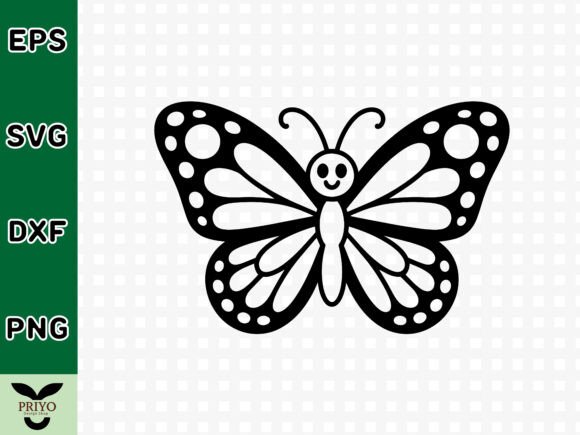
Smiling Kawaii Butterfly SVG
A Designer’s First Look: Charm with Clear Intent
When I opened the Smiling Kawaii Butterfly SVG, my first thought wasn’t “cute”—it was “intentional.” The rounded wings, soft curves, and gentle smile aren’t just decorative; they’re carefully balanced to read clearly at small scales. As an embroidery designer who’s stitched hundreds of kawaii motifs for baby onesies, boutique aprons, and Etsy patches, I immediately saw how this design avoids common pitfalls: no fragile antennae tips, no overlapping wing layers that cause stitch nesting, and no micro-details that vanish under satin stitch. It breathes. That matters—especially when you’re stitching on a textured tea towel or a lightweight cotton tote.
Where It Shines: Real Projects, Real Customers
I tested Smiling Kawaii Butterfly SVG on a custom embroidered linen pillow cover for a local nursery shop—and it landed perfectly. The cheerful expression translated warmly in thread, not cartoonishly. Customers responded strongly to the emotional tone: parents smiled while holding baby blankets featuring it; café owners chose it for staff aprons because it felt friendly without being childish. It works especially well for personalized gifts where warmth and approachability matter more than technical complexity—think holiday embroidery on organic cotton onesies, embroidered patches for school backpacks, or sweatshirt embroidery for small-batch apparel brands.
As a craft business owner myself, I also used it in a printable mockup series for my Etsy shop. Because the SVG scales cleanly, I could generate crisp previews for light and dark fabric backgrounds—no pixelation, no jagged edges. That built trust before a single stitch was made. For digital product sellers, Smiling Kawaii Butterfly SVG functions as reliable design assets: it’s simple enough to pair with hand-lettered quotes, bold enough to stand alone on a mug design, and versatile enough to slot into seasonal collections (spring baby showers, summer camp merch, even gentle Easter branding).
Where to Proceed Thoughtfully
This isn’t a one-size-fits-all embroidery file. On stretchy fabrics like jersey or thin knits, the wing outlines need extra stabilizer—especially if you’re planning sweatshirt embroidery or custom apparel with movement. I recommend testing Smiling Kawaii Butterfly SVG on scrap fabric first, using your intended hoop size and stabilizer combo. On dark fabric, avoid pale pastel thread colors unless you add an underlay; the smile and wing highlights can fade without contrast.
Curved surfaces—like caps or curved tote handles—require slight repositioning of the design to maintain symmetry. And while it’s labeled as a Graphics file, remember: SVG alone doesn’t guarantee embroidery readiness. If you’re converting it to a machine embroidery design, check stitch density manually. Overly dense fill stitch in the body can cause puckering on lightweight cotton or baby embroidery projects. Likewise, avoid shrinking it below 2.5 inches wide for applique design use—the smile detail starts to blur in running stitch at smaller sizes.
Design Notes Every Embroiderer Should Check
- Test on scrap fabric first—especially with textured or loosely woven materials like linen tea towels or canvas totes.
- Review thread color contrast before stitching on dark or patterned fabric. A black outline helps define the shape, but test it in your actual thread palette.
- Confirm hoop size compatibility. The design’s width and height should leave at least ¼ inch clearance around all edges.
- Inspect small details in your embroidery software: the eyes, smile curve, and wing tips should convert cleanly to satin stitch without gaps or overruns.
- Try black-and-white mockups to assess visual weight and recognition—does it hold its charm without color cues?
- Compare performance on light vs. dark backgrounds, particularly for finished product photography or Etsy listings.
- Use appropriate stabilizer: cutaway for knits, tear-away for stable wovens, and optional topping for napped fabrics like fleece.
- Verify licensing terms before selling finished items or bundling Smiling Kawaii Butterfly SVG as part of a commercial embroidery project or digital product pack.
How It Shapes Your Handmade Product’s Impact
Smiling Kawaii Butterfly SVG quietly elevates perceived value—not through flash, but through consistency. When stitched cleanly on a handmade product, it reads as intentional, polished, and emotionally resonant. That builds customer trust faster than intricate florals or dense monograms. Etsy sellers tell me buyers comment on “how happy it feels” — a subtle but powerful differentiator in saturated markets like baby embroidery or personalized gifts.
For small shop owners, it supports brand consistency without rigidity. You can use it across categories—embroidered patch, tote bag design, nursery decor—and it still feels like *your* voice, not stock art. And unlike overly complex machine embroidery designs, Smiling Kawaii Butterfly SVG stitches reliably across home and commercial machines, reducing rework and thread breaks during production runs.
Final Thought: Not Just a Graphic—A Design Decision
Choosing Smiling Kawaii Butterfly SVG isn’t about grabbing a trendy motif. It’s choosing clarity over clutter, warmth over whimsy, and function over flourish. It fits naturally in Crafts projects where authenticity matters—hand-stitched baby blankets, locally made aprons, heartfelt holiday embroidery—and performs just as well as a digital embroidery file for scalable product lines. If your goal is to make something people want to touch, gift, and keep, this butterfly doesn’t just flutter past—it lands gently, memorably, and with purpose.