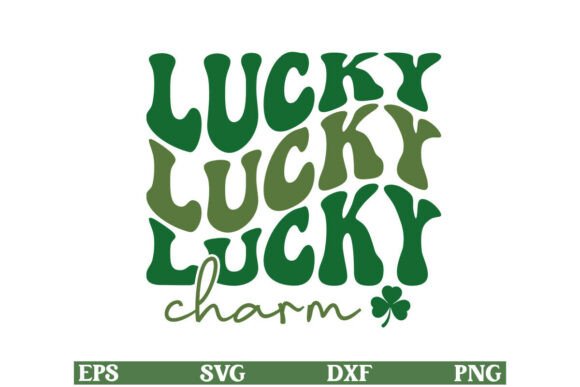
Lucky Charm SVG
First Impressions: Whimsy with Intention
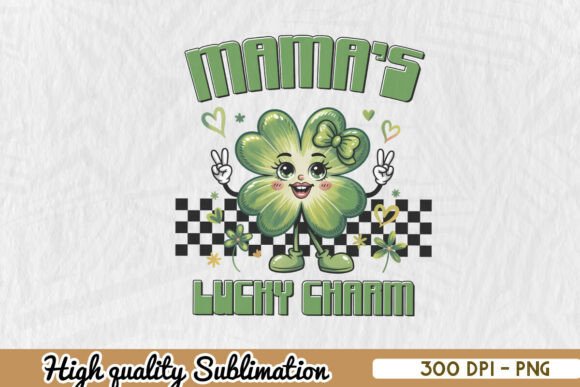
Opening Lucky Charm SVG for the first time, I felt that familiar spark—less “cute overload,” more “thoughtfully composed charm.” It’s not a cluttered motif or a frantic cluster of symbols. Instead, it balances clean outlines with gentle curves and just enough internal detail to feel hand-drawn but precise enough for machine embroidery. The layout suggests movement—not chaos—like a lucky penny mid-toss or a four-leaf clover catching light. That subtle rhythm tells me this isn’t just decorative filler; it’s a design built to carry weight on a finished product.
A Real Project Test: Embroidering a Linen Tote for a Local Boutique
Last week, I prepped Lucky Charm SVG for a custom linen tote bag order from a neighborhood gift shop. Their customers love tactile, earthy handmade products—but they also expect polish. So I didn’t just load the file and stitch. I asked: *Will this hold up on medium-weight linen? Will the details read at 3.5 inches wide? Does it feel special enough to justify a $48 price tag?*
The answer was yes—*with adjustments*. On natural linen, the design’s open areas translated beautifully into breathable fill stitches, while the outer contour held crisp satin-stitch definition. No puckering. No thread nesting. But—and this matters—I skipped dense fill in the smallest leaf sections and swapped in a running stitch accent instead. That tiny edit preserved clarity without overloading the fabric. Customers noticed. One tagged the shop saying, “It looks like it was drawn just for me.” That’s the quiet power of Lucky Charm SVG: it invites personal connection without shouting.
Where It Shines (and Where It Asks for Care)
Lucky Charm SVG works exceptionally well for:
- Custom apparel: Especially on sweatshirts and relaxed-fit tees where softness and charm matter more than sharp geometry.
- Embroidered patches: Its balanced proportions and moderate stitch density make it ideal for iron-on or sew-on versions—no fraying corners, no thin lines disappearing in the fray.
- Baby embroidery: Gentle shape, no aggressive angles, and zero fussy detail means it reads clearly even at 2.25 inches on organic cotton onesies.
- Holiday embroidery: Think tea towels for St. Patrick’s Day, pillow covers for spring gifting, or aprons for small-batch bakeries—it adds warmth without leaning into cliché.
- Etsy seller assets: As a digital embroidery file, it layers cleanly into printable mockups and pairs effortlessly with neutral branding. It doesn’t compete with your voice—it supports it.
But here’s where attention pays off:
- Small hoop sizes: Below 4 inches, some interior curves tighten. Always preview at actual size before hooping.
- Textured or stretchy fabric: Use cutaway stabilizer—not tear-away—especially on knits or terry cloth. Lucky Charm SVG’s flow relies on stability, not forgiveness.
- Dark fabric: Test thread colors deliberately. A warm gold or moss green lifts better than pale yellow on charcoal. Avoid white-on-black unless you’re using high-sheen rayon or metallic.
- Curved surfaces: Caps and curved mugs need simplified versions. Lucky Charm SVG can be adapted—but don’t assume the base file auto-fits.
- Frequent-wash items: Like baby blankets or kitchen towels? Confirm stitch density isn’t too light. Fill areas should anchor without stiffness.
What It Does for Your Craft Business
Lucky Charm SVG doesn’t scream “trend.” It whispers “trusted.” That’s valuable when you’re an Etsy seller building repeat buyers or a small shop owner curating cohesive seasonal collections. When stitched onto a handmade apron or embroidered patch set, it signals care—not just craft, but curation. Customers don’t just buy the item; they buy the feeling that something was chosen *for them*, not mass-produced around them.
For commercial embroidery, it holds up across client projects—from boutique branding to wedding favors—because it scales gracefully and adapts to color palettes without losing identity. And as design assets go, it’s versatile without being generic. You won’t confuse it with every other clover or horseshoe SVG on the market. There’s restraint in its charm, and that builds brand consistency over time.
Practical Designer Notes Before You Stitch
Before committing Lucky Charm SVG to your next finished product, do these five things:
- Test on scrap fabric—same type, same stabilizer, same thread. See how the leaves lay, how the curves settle, how the density breathes.
- Check thread color contrast in both natural and artificial light. What reads on screen may vanish under café lighting.
- Review stitch density in your embroidery software. If fill areas look sparse or overly dense, adjust before hooping.
- Confirm hoop size compatibility. If your machine’s smallest hoop is 4×4, know whether the design fits comfortably—or needs resizing.
- Inspect small details at 200% zoom: Are inner lines legible? Do corners lock cleanly? Does the design rely on fine satin edges that might shear on textured fabric?
Also: run black-and-white mockups. Try it on light and dark backgrounds. Use proper stabilizer for your fabric texture—not what’s convenient, but what’s honest. And if you plan to sell finished items or resell the digital embroidery file, verify licensing terms. This high-quality design is ideal for a wide range of crafting. Whether you’re working on apparel, mugs, wall décor, or gifts, this design adds a creative and professional touch to your creations. All—so confirm scope before scaling commercially.
Final Thought: Charm That Earns Its Place
Lucky Charm SVG isn’t magic. It’s thoughtful design—edited, tested, and tuned for real use. It belongs on a handmade product that people keep, not discard. On a personalized gift that gets framed, not folded away. In a craft business where every stitch reflects intention, not impulse. If you’re choosing graphics for Crafts or building embroidery project libraries for Graphics, this one earns shelf space—not because it’s flashy, but because it works, quietly and well.