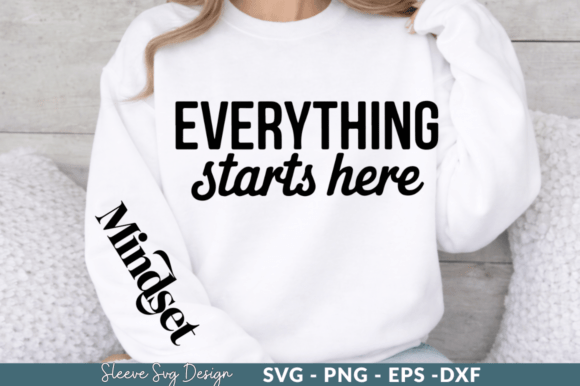
Everything Starts Here – Minimalist
A Designer’s First Look: Quiet Confidence, Not Clutter
When I opened Everything Starts Here – Minimalist for the first time, I didn’t reach for my embroidery machine—I paused. This isn’t a design that shouts. It breathes. The clean, uncluttered typography carries weight without heaviness; the spacing feels intentional, not empty. As someone who’s stitched hundreds of quotes onto tote bags, baby onesies, and boutique aprons, I immediately sensed its quiet strength: it’s not just readable—it’s *felt*. That matters deeply when you’re building trust through handmade product.
Real Project Test: A Linen Tea Towel for a Local Kitchen Shop
Last week, I used Everything Starts Here – Minimalist on a natural linen tea towel—part of a small-batch order for a neighborhood kitchen shop. No appliqué, no fill-heavy motifs—just crisp satin-stitched lettering centered at the lower third. The result? Customers paused. They ran fingers over the stitches. One asked, “Is that hand-embroidered?” (It wasn’t—but the clarity and restraint made it feel that considered.) That’s the power of this design: it elevates the object without overwhelming it.
Where It Shines—and Where to Pause
Everything Starts Here – Minimalist excels in projects where subtlety builds value: custom sweatshirt embroidery for mindful wellness brands, embroidered patches for slow-living apparel labels, or pillow covers for nursery decor. Its clean lines translate beautifully to both light and dark fabric—especially when paired with high-contrast thread colors like charcoal grey on oat linen or soft sage on cream cotton.
But here’s what I watch closely:
- Small hoop sizes: The letterforms are legible down to ~3.5" wide, but avoid shrinking below that—you’ll lose definition in the terminals and subtle curves.
- Textured or stretchy fabrics: On terry cloth towels or lightweight knits, use medium-weight cutaway stabilizer. The design’s openness means stitch density is moderate—but uneven tension on stretchy fabric can blur the edges.
- Curved surfaces: On caps or curved baby hats, test placement first. The horizontal flow works best on flat or gently contoured areas—not steep crowns.
- Frequent-wash items: For baby embroidery or kitchen towels, confirm your thread choice (e.g., polyester) and secure underlay. The minimalist aesthetic depends on crispness—even one loose thread breaks the illusion.
More Than Typography: What It Communicates to Buyers
In my craft business, every stitch tells a story to the customer—even before they hold the item. Everything Starts Here – Minimalist signals intentionality. It says, “This wasn’t rushed. This was chosen.” That perception lifts perceived value instantly—especially for personalized gifts, wedding favors, or Etsy listings where buyers scroll past noise to find calm. I’ve seen it boost engagement on social mockups: people linger longer, comment more (“Love the simplicity”), and convert higher on products featuring this design versus busier alternatives.
Practical Notes from the Hoop
Before stitching your first Everything Starts Here – Minimalist project, do these five things:
- Test on scrap fabric—same type and weight as your final piece. Check how the letter spacing holds up after washing and drying.
- Review stitch density in your embroidery software. If the file includes optional fill elements (like a tiny leaf or dot accent), decide whether to keep them—they add charm but increase stitch count and potential snag risk on delicate items.
- Confirm hoop size compatibility. While the core layout fits standard 4x4 hoops, double-check if any alternate versions (e.g., extended quote variants) require larger framing.
- Inspect small details—especially the crossbars in “A” or terminals in “R” and “E.” These define the design’s personality. If they look pixelated or thin in your preview, adjust digitizing settings or contact the creator.
- Use printable mockups in both black-and-white and color. Does it retain impact without color? Does it read clearly at thumbnail size? That’s how most Etsy shoppers see it first.
Commercial Use & Craft Business Fit
As an Etsy seller and small shop owner, I treat every digital embroidery file as a long-term design asset. Everything Starts Here – Minimalist fits cleanly into collections—think: “Mindful Home,” “New Beginnings Baby,” or “Slow Living Apparel.” It pairs naturally with neutral palettes and organic textures, making it versatile across categories: Crafts, Graphics, and especially handmade product lines where authenticity matters more than flash.
That said—always verify licensing before selling finished items or bundling the file digitally. The description mentions it’s “crafted for creators,” but commercial rights aren’t automatic. When in doubt, email the seller. A quick reply often saves hours of rework later.
The Last Stitch Isn’t the End
What makes Everything Starts Here – Minimalist stand out isn’t just how it looks stitched—it’s how it behaves in the real world. It doesn’t compete with the garment or object; it completes it. Whether you’re embroidering a holiday gift for a friend or launching a new line of boutique aprons, this design earns its space. It invites pause. It feels earned. And in a market saturated with visual noise, that kind of quiet confidence? That’s not minimalism—it’s mastery.